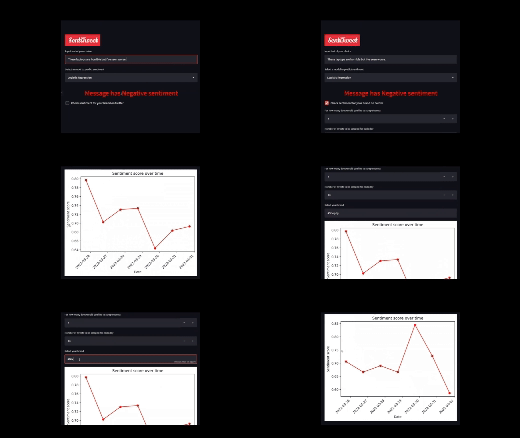
Real-Time Sentiment Analysis on Twitter Data
Developed a real-time sentiment analysis application that processes Twitter data using machine learning models like Logistic Regression, XGBoost, and neural networks. Cleaned and transformed 1.6 million tweets with regex and NLTK to improve model accuracy, leveraging scikit-learn and Keras for text classification.
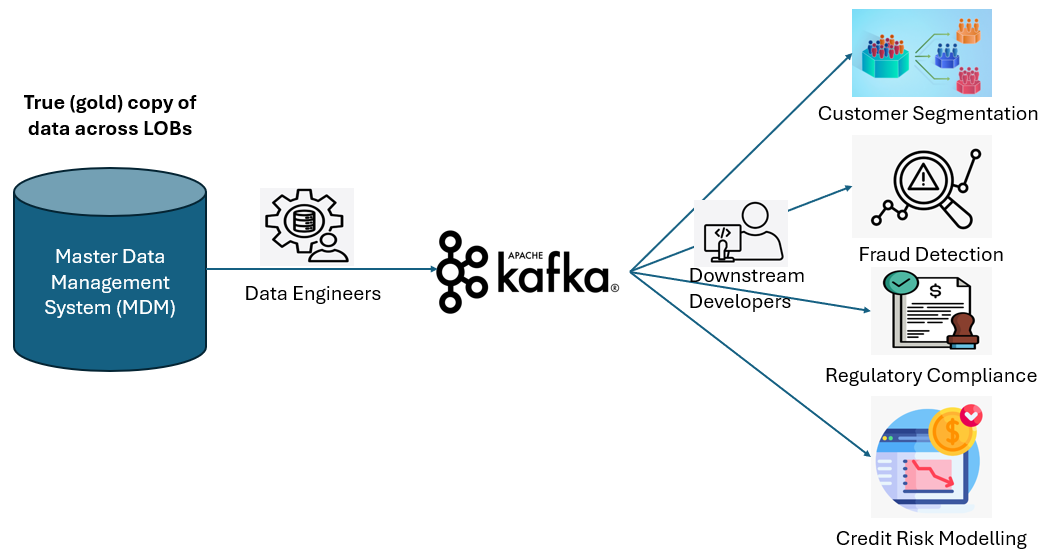
Designing a Data Lakehouse for Real-Time Analytics in Banking
This project focuses on designing a scalable data lakehouse solution for a major bank to address inefficiencies in data retrieval from its Master Data Management (MDM) system. By integrating Apache Kafka and Hadoop with tools like PySpark, the solution streams real-time data to downstream analytics teams, enabling faster customer segmentation, fraud detection, and credit risk modeling. The new architecture ensures minimal system load and real-time insights for business-critical processes.
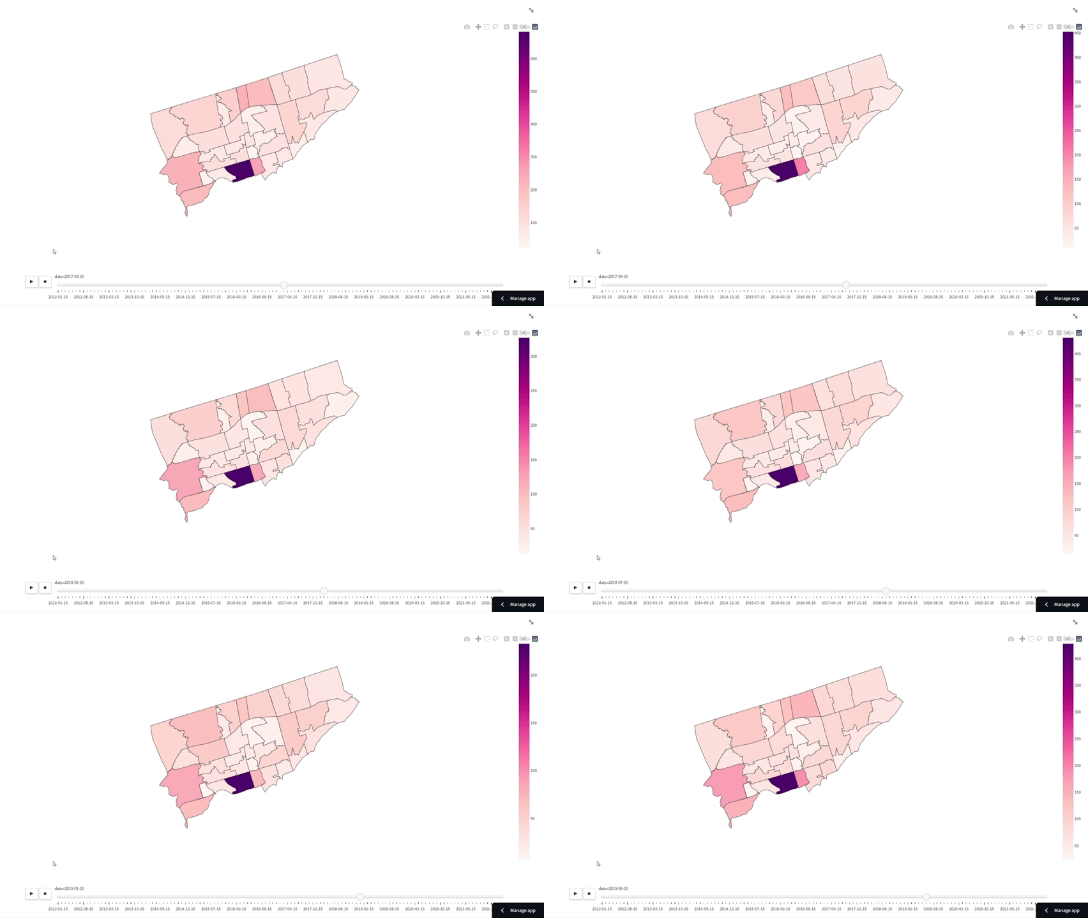
Exploring Toronto's Housing Market: Data Analysis and Visualization
This project investigates the causes of high housing prices in Toronto through exploratory data analysis and interactive visualizations. Housing data was scraped from PDF files provided by the Toronto Regional Real Estate Board, cleaned, and transformed into CSV format for analysis. The project includes insights into housing prices across different city areas and features a Streamlit-based app for interactive visualization, enhancing user understanding of market trends.

Web Scraping Data Analyst Job Listings from Indeed
This project involves using Beautiful Soup to scrape data analyst job listings from Indeed for the Toronto region. The scraped data, including job titles, companies, and locations, is exported to a CSV file, enabling further analysis and insights.

A Word A Day Bot: Personalized Vocabulary Builder
Created a Python bot that sends a daily email with a word from a personalized vocabulary list. Leveraged Selenium and Beautiful Soup for web scraping, smtplib for email automation, and Windows Task Scheduler for daily execution, offering a practical approach to vocabulary building tailored to your preferences.
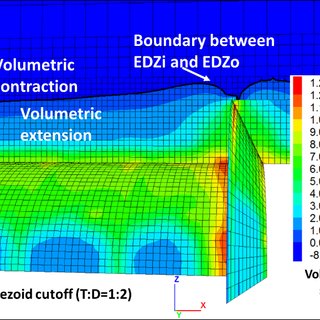
Developing a Numerical Framework for Engineering Optimal Seals in Nuclear Waste Repositories
Designed and implemented a software-based numerical modeling framework to optimize seal designs for tunnels in deep geological repositories. Utilized ITASCA's FISH language to simulate excavation damage zones (EDZs), assessing the impact of seal geometry, geological settings, material properties, and thermal effects. Identified trapezoidal seals as the most effective in mitigating contaminant transport across various scenarios..
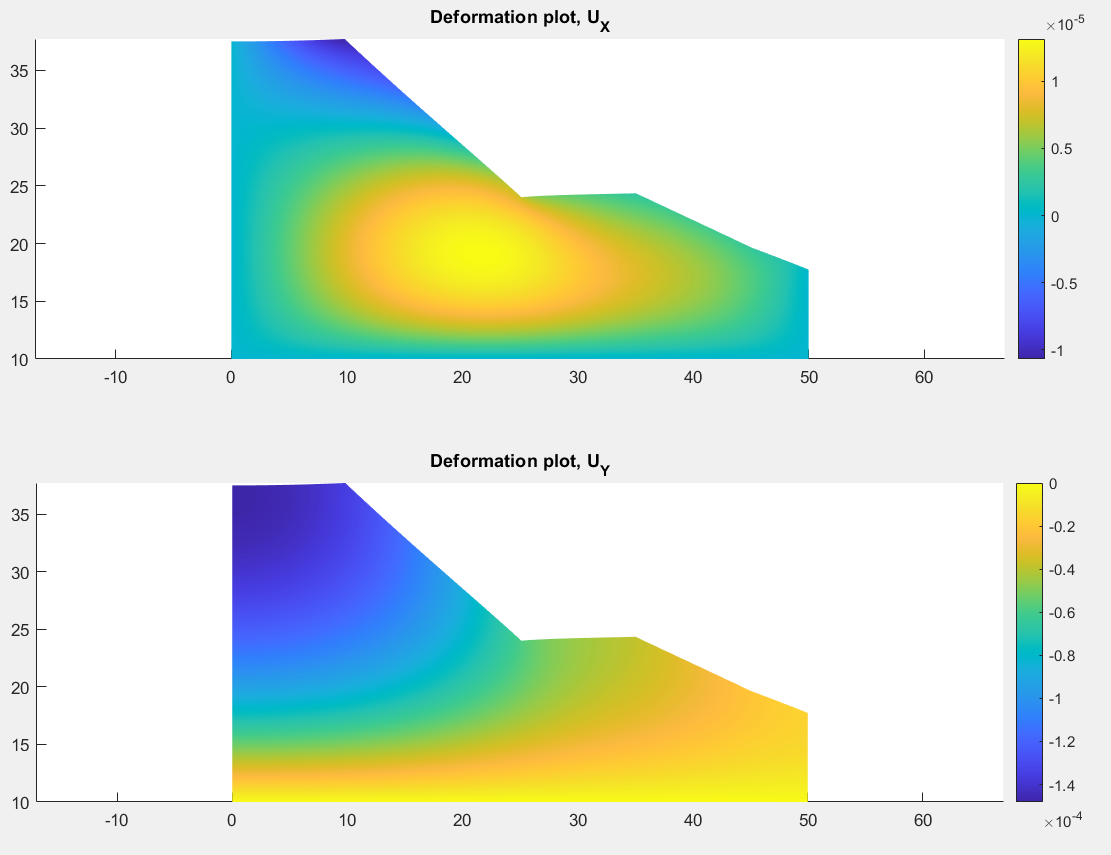
Building a Finite Element Analysis Software Suite for Slope Stability in MATLAB
Designed and implemented a modular MATLAB software package for slope stability analysis, leveraging elastic and elasto-plastic finite element methods. The software features automated data preparation, mesh generation, numerical integration, stress-strain visualization, and interactive plotting for analyzing displacement and stress contours.